What Is a Custom Live Streaming Service?
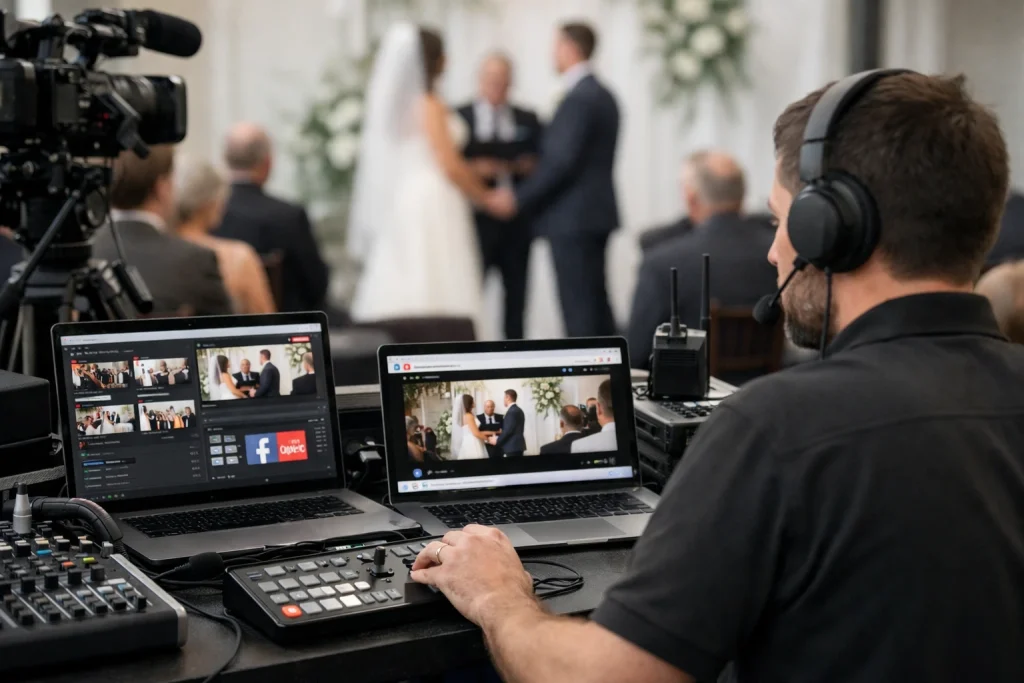
At the back of a Brisbane wedding venue, a camera operator checks the audio while a tablet shows relatives in Singapore and London joining the ceremony in real time. The florist is still straightening the aisle. A celebrant glances at the clock. Nobody in the front row wants cables, glitches, or a phone held in the air.
If you are searching for a custom live streaming service option, that is usually the real need: certainty. You want the people in the room to stay present, and the people far away to hear every word as it happens. For a wedding in New Farm, a memorial in Cleveland, or a funeral near South Bank, that difference matters.
Here is what a tailored live stream actually involves, why it can change the experience for guests and organisers, and what to check before you book in Brisbane.
What is a custom live streaming service?
A plain-English definition
Watch This Helpful Video
To help you better understand custom live streaming service facebook, we’ve included this informative video from Social Media Examiner. It provides valuable insights and visual demonstrations that complement the written content.
A custom live streaming service is a planned, professionally managed way to stream your event live. Instead of relying on one person holding a phone and hoping the signal holds, you build a setup around the event itself — the room, the sound, the audience, and the level of privacy you need.
In practical terms, that usually means cameras, tripods, proper audio capture, encoding or streaming software, and live monitoring while the event is underway. Viewers watch through a private online livestream access link or other chosen viewing option as it happens, and can often follow along in real time.
Custom does not mean complicated; it means the stream is planned around the venue, the audience, and the occasion.
What makes it “custom”
The custom part is not about flashy extras. It is about fit.
A wedding ceremony in Fortitude Valley has different needs from a funeral in Redland Bay or a graveside service in the Brisbane CBD. One event may need a quiet single-camera setup with discreet audio. Another may need two camera angles, clear sound from the celebrant, and a private viewing link shared with family members who cannot attend in person.
How it differs from DIY live streaming
DIY live streaming is not always wrong. For a quick update from a school fete or local match, a phone may be enough. But once the moment matters — vows, eulogies, or farewell words — small technical problems become big emotional ones.
| Area | DIY Phone Stream | Custom Service |
|---|---|---|
| Audio | Built-in phone mic picks up room noise | Dedicated microphones or mixer feed for clearer speech |
| Framing | Usually one handheld angle | Stable shots planned around the ceremony or service |
| Reliability | Depends on one device and one connection | Tested setup with careful monitoring |
| Privacy | Often set on the fly | Audience settings chosen before guests arrive |
| Guest Experience | Can feel improvised | Feels calm, watchable, and intentional |
That is the real distinction. A custom stream is not just live video. It is event coverage designed to hold up when the room goes quiet and the important words begin.
Why does a custom live stream matter for events?
Keeps remote guests included
People miss events for ordinary reasons and hard ones: distance, cost, illness, work, visa issues, caring duties. Live video lets them watch the event as it happens, rather than hearing about it afterward.
For families, that might mean grandparents in Perth watching a wedding or cousins in Auckland joining a Brisbane funeral service. Remote access helps because many guests can join through a private link without needing to be in the room.
If the words matter, the audio matters more than the visuals.
Protects the tone of formal events
Formal occasions need restraint. A funeral should not feel like a production. A memorial service should never be interrupted by someone shuffling for a charger or walking to the front with a phone.
That is why clear audio usually matters more than dramatic camera moves. At weddings, you want vows and speeches you can actually hear. At funerals and graveside services, you want readings, music, and tributes captured respectfully. A custom setup keeps the technical work out of the way so the emotional tone stays intact.
Privacy matters here too. Private access links affect who can view the stream, and that decision changes the feel of the event. A broader viewing option serves reach. A more restricted option serves intimacy.
Helps organisers look professional
For formal gatherings, the stream is part of your reputation. If the sound is distant online, remote viewers switch off fast.
A better setup gives you cleaner framing, clearer audio, and steadier delivery. That does not mean turning a family ceremony into a TV show. It means making the online audience feel considered rather than forgotten.
- Clear speaker audio keeps viewers listening.
- Stable framing helps the event feel organised.
- Planned privacy settings help you control audience access.
- Live monitoring helps catch problems early.
How does a custom live stream actually work?
Pre-event planning and run sheet
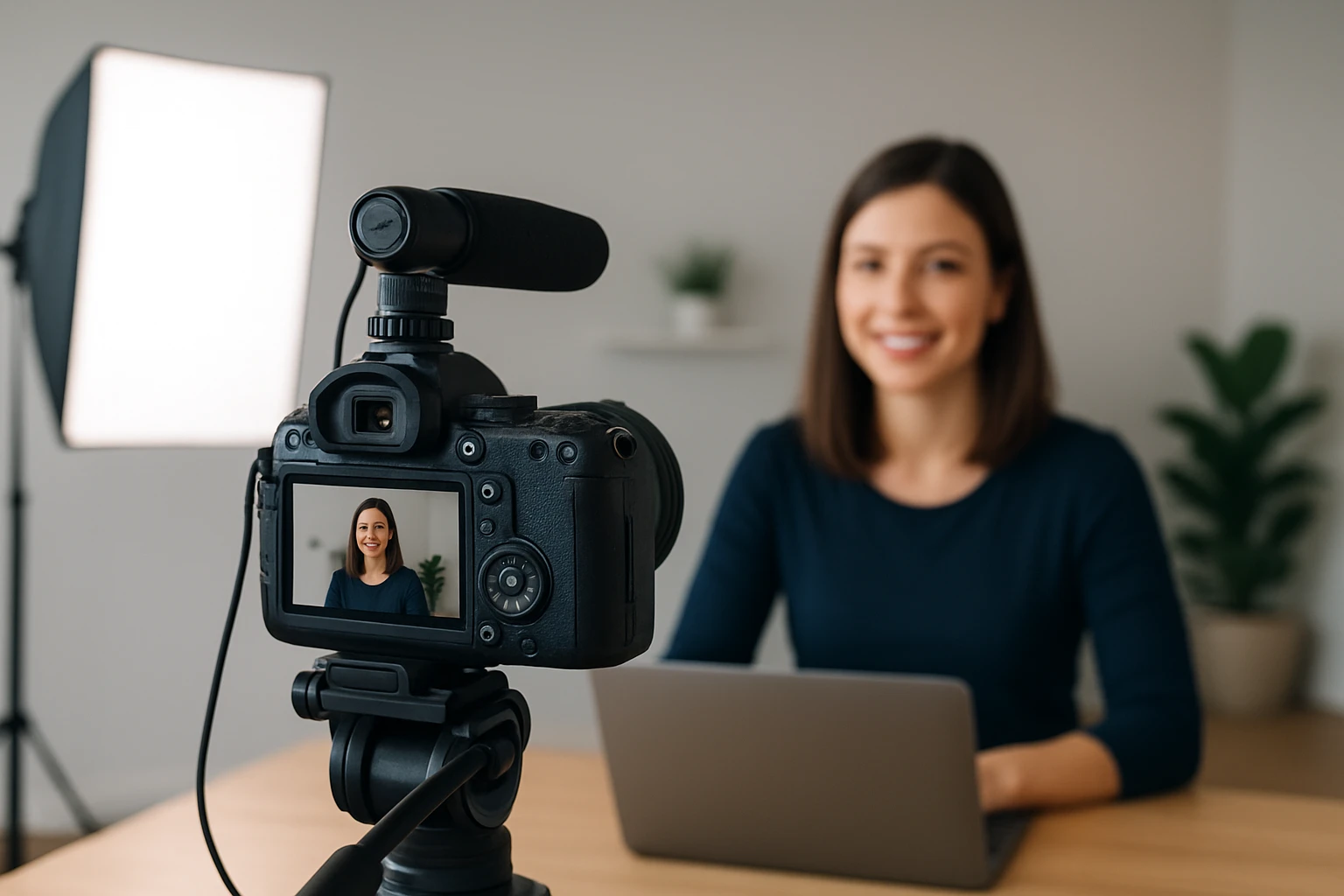
The real work starts well before the first guest arrives. You decide who should be able to watch, what time the broadcast should begin, and which moments matter most.
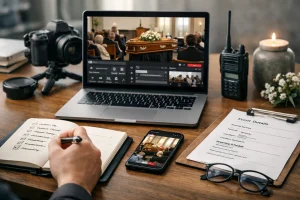
Then comes the run sheet. This is a simple written sequence of what happens and when: processional, readings, vows, eulogy, musical item, closing remarks. For a church in Paddington or a funeral chapel near Eagle Street, that sheet keeps everyone aligned — organiser, venue staff, camera operator, and celebrant.
The real work happens before the first frame goes live.
A good provider will ask about venue layout, sound sources, access to power, and internet conditions before event day. That is not overkill. That is how you avoid surprises.
On-site gear, audio, and internet
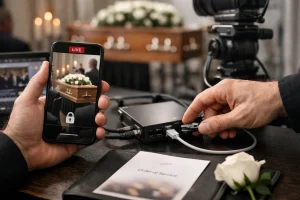
Most custom setups follow a straightforward signal path. A camera captures the picture. Microphones or the venue audio system capture sound. An encoder — either a device or software on a computer — converts that feed into a stream-ready format. Then the stream goes live through the available internet connection.
- Set camera positions based on the room and sightlines.
- Connect microphones, mixer feeds, or both.
- Check power and secure cables safely.
- Test upload speed or bonded mobile data.
- Preview the stream before the official start.
This is where many amateur streams fail. The picture may look decent, but the internet is unstable, the lectern mic is not feeding the stream, or room noise overwhelms the audio. Good setups test sound, power, and internet conditions before the event begins.
In Brisbane, that planning matters outdoors as much as indoors. A riverside ceremony at Kangaroo Point behaves differently from a chapel service in Ipswich or a graveside gathering on the Sunshine Coast. Heat, wind, shade, signal strength, and venue access all change the technical choices.
Monitoring, replay, and recording delivery
Once the event starts, somebody still has a job to do. Live monitoring matters because issues rarely announce themselves politely. Audio can drop. Framing can drift. A connection can wobble. A speaker can step away from the microphone. Catching that in 10 seconds is very different from discovering it 20 minutes later.
The better the event, the less you notice that monitoring. It feels invisible.
| Stage | What Gets Checked | Why It Matters |
|---|---|---|
| Before Going Live | Sound, camera framing, power, internet | Stops obvious failures before viewers join |
| During Broadcast | Audio levels, connection stability | Allows quick fixes while the event continues |
| After Event | Saved replay, file delivery, link sharing | Lets guests watch again later |
Many streams are also recorded for replay. That helps relatives in another time zone, family members who missed the live service, or families who want a careful archive of the day. A saved replay is not a bonus feature for many events. It is part of the value.
What kinds of events are best suited to a custom live stream?
Weddings and milestone celebrations
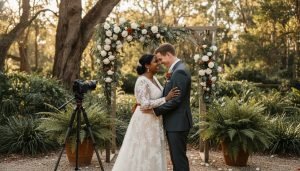
Weddings are a natural fit because they combine emotion, distance, and timing. Guests overseas cannot simply “catch the next one.” They need to be there live, even if “there” means watching from Manchester or Manila.
These events often benefit from stable camera coverage and good audio for vows, readings, and toasts. For birthdays, anniversaries, and graduations, the same rule applies: people remember what they heard as much as what they saw.
A good live stream should support the occasion, not dominate it.
Funerals and graveside services
This is where discretion matters most. Families are not looking for spectacle. They want a respectful way for people in Sydney, Wellington, or rural Queensland to pay their respects when travel is not possible.
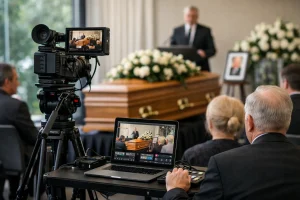
That usually means careful camera placement, minimal movement, clean audio from the celebrant or officiant, and a quiet operator who understands the room. Framing should be steady. Access should be deliberate. The stream should never compete with the service itself.
Funeral services, interments, and scattering of ashes
Graveside livestreaming is often the most sensitive kind of coverage. Whether the service involves a burial, interment, or scattering of ashes, the aim is the same: keep the experience calm, private, and respectful for those attending in person and those joining remotely.
Clear audio, discreet placement, and minimal disruption matter more than anything else in these moments.
| Event Type | Main Technical Priority | Tone Requirement |
|---|---|---|
| Wedding | Vows, speeches, stable camera coverage | Warm and unobtrusive |
| Funeral or Memorial | Speech clarity, discreet placement | Respectful and restrained |
| Graveside Service | Audio clarity, low-impact coverage | Quiet and respectful |
If your event has guests who cannot attend in person and the moment has weight, a custom stream is usually worth considering.
What are the most common questions people ask about live streaming?
Can the stream be private or invite-only?

Yes, within the limits of the platform and the service setup. The exact options depend on how access links are shared and who should receive them.
That choice should match the event. A wedding may be shared privately with family and friends. A funeral or graveside service usually needs tighter control. Ask how guests will receive the link, whether comments are visible, and who can share the stream onward.
Ask this first: who needs to see it live, and who needs to see it later?
Can it be recorded for later?
Usually, yes. Many live streams are saved so the event can be watched again after the broadcast. That matters when family in Vancouver sleeps through a Brisbane morning ceremony, or when relatives need to revisit a service later in the week.
If you are comparing options, ask three practical questions:
- Will a replay be saved automatically?
- How long will the recording stay available?
- Will you receive a separate copy of the video file?
And remember the two biggest quality factors remain stubbornly simple: internet stability and audio quality. Fancy cameras cannot rescue unreliable upload speed or muffled speech.
What should you ask before booking a custom live streaming service in Brisbane?
What venues and internet conditions do they handle?
Ask whether they are comfortable with churches, parks, private homes, funeral chapels, crematorium spaces, and graveside locations. Brisbane events vary wildly. A sandstone church in Spring Hill is not the same as an outdoor ceremony at Mount Coot-tha or a memorial setting in Chermside.
You want a provider who asks about layout, sound sources, power access, and internet conditions before the day. If the venue Wi-Fi is weak, do they have a backup using bonded mobile data? If the event is outside, how do they handle wind and changing light?
What is included — cameras, audio, operator, replay?
Do not assume two providers mean the same thing when they both say “live stream.” One may mean a single camera and a link. Another may include a second angle, audio from the PA system, on-site monitoring, and a saved replay.
| Booking Question | Why You Should Ask | Strong Answer Sounds Like |
|---|---|---|
| How many cameras are included? | Determines coverage and flexibility | Clear explanation of angles and operator plan |
| How is audio captured? | Speech clarity usually matters most | Specific mic or mixer-feed plan |
| Is live monitoring included? | Problems need fast fixes | Yes, with active checks during broadcast |
| Will we get a replay? | Guests may miss the live start | Replay link or delivered file confirmed |
Any local crew — including Livestream Company — should be able to explain these inclusions plainly, without hiding the details behind vague packages.
How do they support sensitive or formal events?
This question matters most for funerals, memorial services, and religious ceremonies, but it also matters for weddings and graveside events. You want to know how the crew dresses, where they stand, how they coordinate with celebrants or funeral directors, and how they avoid becoming part of the story.
A written run sheet helps keep speeches, readings, and ceremony timing on track. Respectful coverage means more than technical skill. It means good judgment in the room.
If a provider cannot explain their plan in one minute, keep looking.
Ask that question directly. What happens if the venue internet fails? What if the microphone cuts out? What if the start time slips by 20 minutes? The answer tells you a lot about whether you are hiring a technician, or hiring peace of mind.
The best live stream feels calm, clear, and nearly invisible in the room while making remote guests feel fully present.
That comes from planning, dependable audio, sensible privacy choices, and a crew that understands the venue and the weight of the occasion.
If you are comparing a custom live streaming service provider in Brisbane, what matters most to your event — reach, privacy, or simple peace of mind?
Bring Remote Guests Closer With Livestream Company
Livestream Company provides high-definition livestream packages for weddings, funerals, and graveside services, with private links and replay delivery so Brisbane families can include remote guests with confidence.